

How to Clean a Ragdoll’s Face Properly

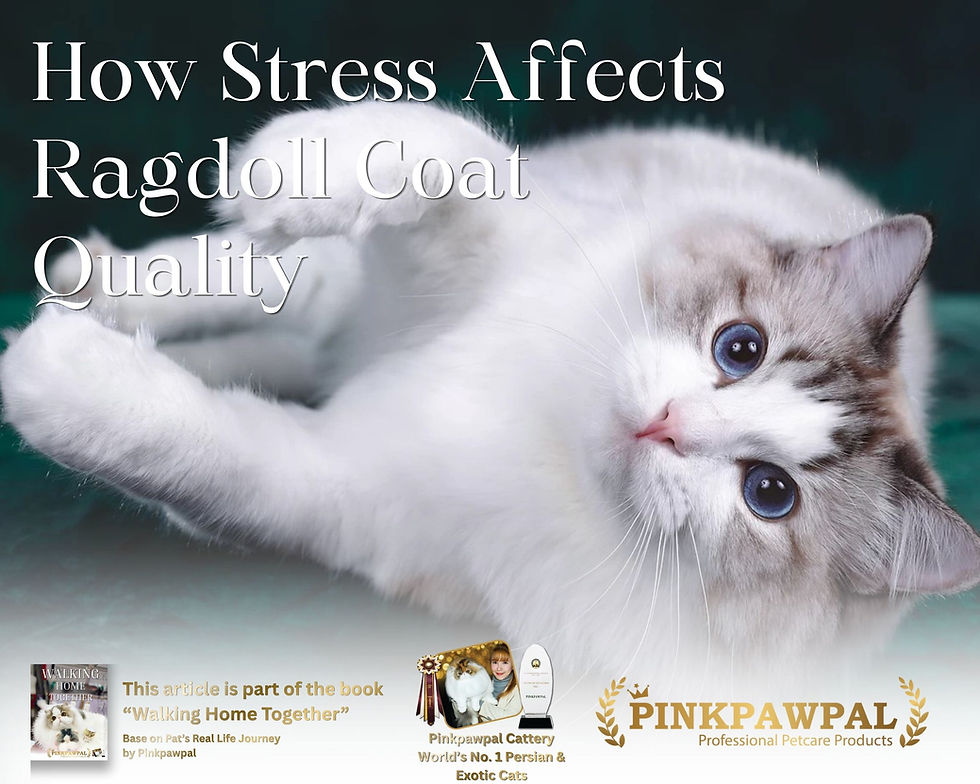
This article is part of the book Walking Home Together by Pinkpawpal.
Read more here: https://www.pinkpawpal.com/post/walking-home-together
Many people assume facial cleaning is only necessary for breeds that develop severe tear staining, such as Persians.
Because Ragdolls have a more moderate facial structure and a longer nose, they are generally less prone to excessive tear overflow. However, this often leads owners to overlook one of the most important parts of daily coat maintenance: keeping the face clean.
In reality, regular facial care is not only about appearance. It also helps preserve coat quality, skin health, and overall comfort.
Why Face Cleaning Matters
Although Ragdolls typically do not develop heavy tear staining, the facial coat is constantly exposed to:
saliva
food residue
natural skin oils
environmental dust
drinking water residue
Over time, these substances can accumulate within the coat and cause:
yellow discoloration
greasy texture
unpleasant odor
chin irritation
poor coat condition around the face
Many owners notice staining only after it becomes visible. In reality, the buildup often begins weeks earlier.
Preventing stains is usually much easier than removing them once they have become deeply embedded in the coat.
Areas That Need Daily Attention
During routine maintenance, focus on the areas where moisture and oils naturally accumulate:
Around the Eyes
Although Ragdolls are not typically prone to severe tear staining, small amounts of tear residue can still collect beneath the eyes.
Regular cleaning helps prevent discoloration and keeps the facial coat bright.
The Mouth and Cheeks
Food particles and saliva frequently contact the coat around the lips and cheeks.
This is particularly important in bicolor and colorpoint Ragdolls, where white facial fur can show staining more easily.
The Chin
The chin is one of the most commonly overlooked areas.
Natural oils, food particles, and moisture can become trapped near the skin, creating a greasy appearance and increasing the risk of irritation.
Many early signs of feline chin acne begin as mild oil accumulation that owners mistake for simple discoloration.
The Safest Cleaning Method
Professional breeders generally recommend keeping facial care simple and gentle.
Use:
a soft cotton pad
warm water
a gentle facial cleanser designed for pets
Lightly wipe the coat following the direction of hair growth.
Avoid aggressive rubbing or scrubbing.
The goal is to remove residue while protecting the coat and maintaining the cat's trust during handling.
Facial cleaning should feel calm and comfortable, not stressful.
Why Yellow Stains Often Appear
Many owners assume yellow stains are caused by tears alone.
In reality, saliva is often a much larger contributor.
After eating or grooming, small amounts of saliva remain on the coat. As the moisture evaporates, proteins and minerals are left behind on the hair shaft.
Over time, this residue can create yellowing, especially on:
the chin
the chest
the front legs
white areas of the facial coat
This is one reason why regular maintenance is more effective than occasional deep cleaning.
Drying Is Just as Important as Cleaning
After wiping the face, gently dry the area using a clean towel or dry cotton pad.
Leaving moisture trapped against the skin can contribute to:
irritation
bacterial growth
greasy coat texture
coat matting in sensitive areas
A properly cleaned and dried face helps maintain both skin health and coat quality.
When the Chin Starts Looking Greasy
If the coat around the chin develops a persistent oily appearance, this may indicate:
excess sebum production
trapped food residue
inadequate drying
early chin acne development
Addressing the problem early is usually much easier than correcting advanced buildup later.
Regular facial maintenance often prevents these issues from developing altogether.
Face Cleaning Is Part of Coat Preservation
Many people view facial cleaning as a cosmetic step.
Experienced breeders often see it differently.
A healthy Ragdoll coat is built through small daily habits that prevent problems before they begin.
Just a few minutes of gentle maintenance each day can help preserve the clean, silky appearance that makes the Ragdoll breed so distinctive.
Beautiful coats are rarely created by occasional intensive grooming.
More often, they are the result of consistent daily care.


Comments